ASCENDANT
A gaming hobby that grew into custom software, connected services, and a community to look after.
Overview · What I built
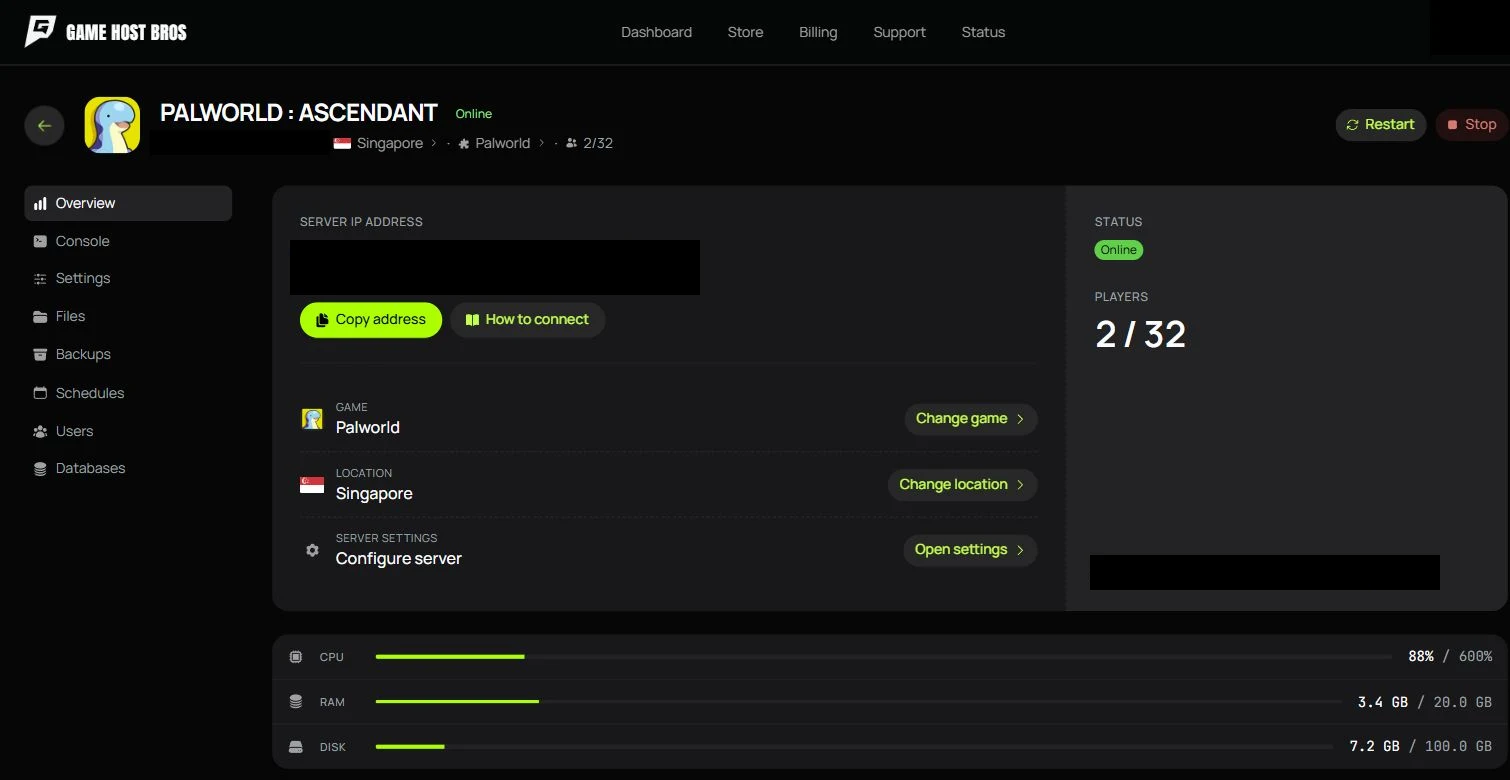
I started Ascendant because I wanted to try running my own Palworld server and gaming community. I acquired game hosting, configured the dedicated server, and set up Discord channels for rules, announcements, support, and events.
As I ran the server, I built the tools I wanted: custom runtime extensions, PalMap web administration, Discord commands, and automated boss events and rewards. My work covered requirements, AI-assisted development, systems integration, testing, deployment, and day-to-day community concerns.
Back to projectsInside the project
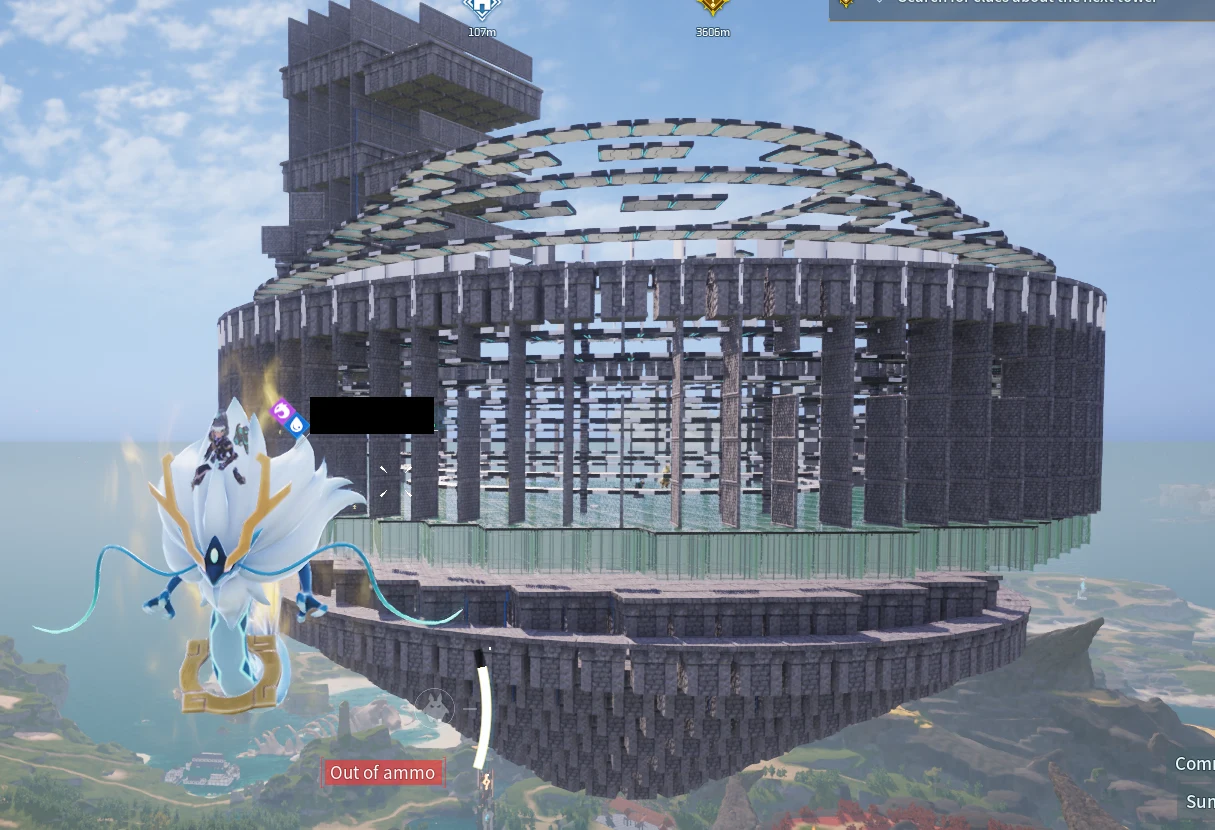
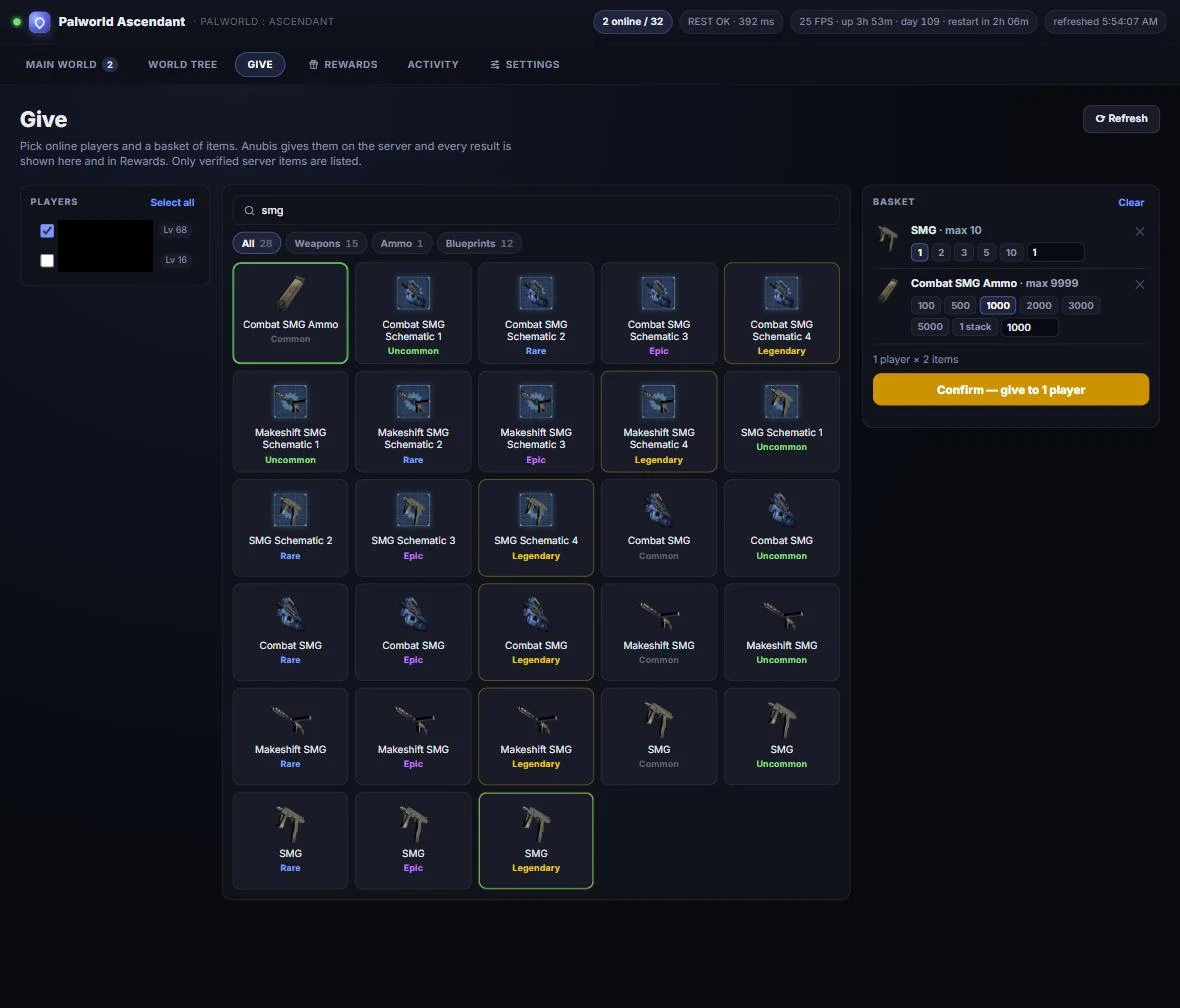
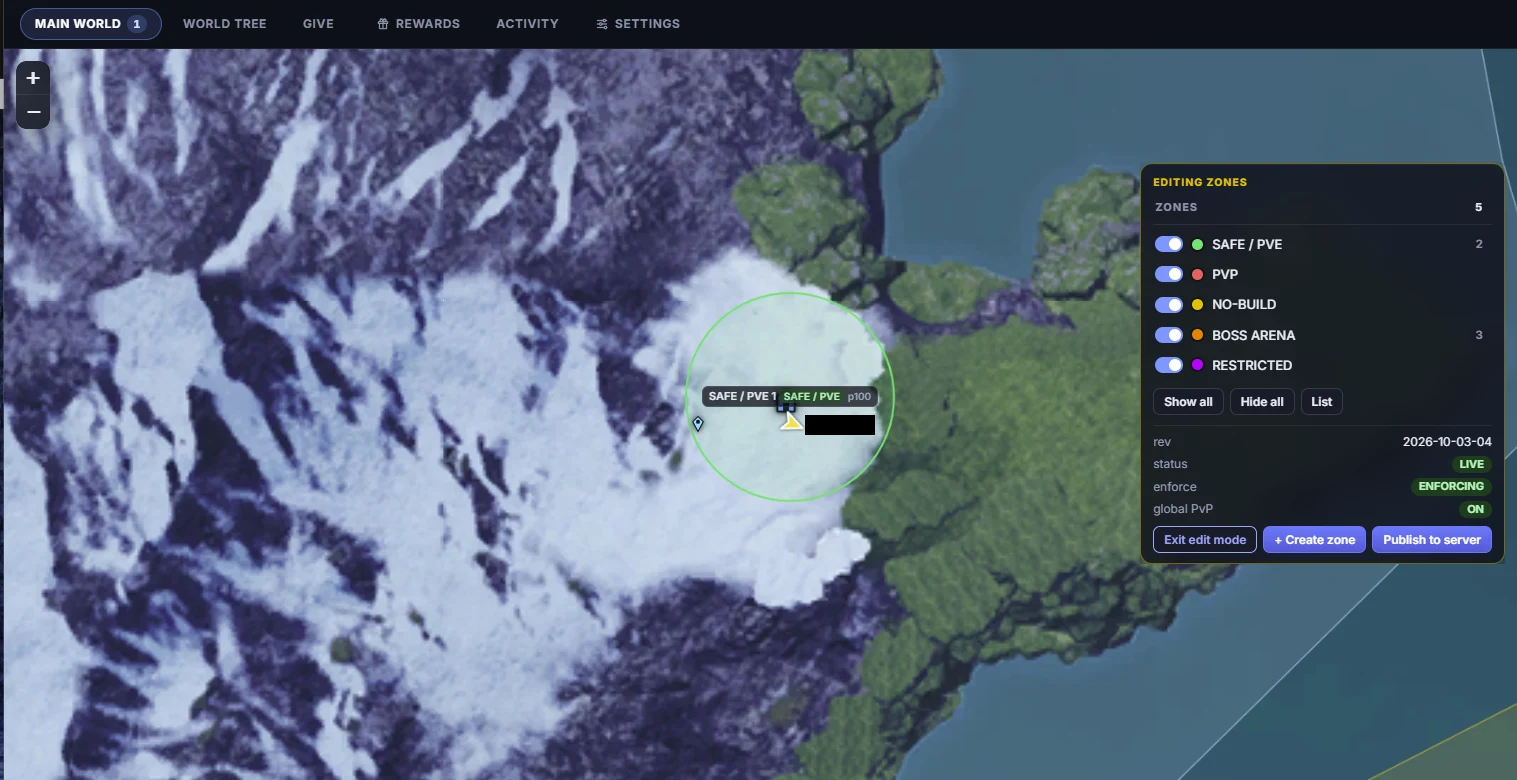
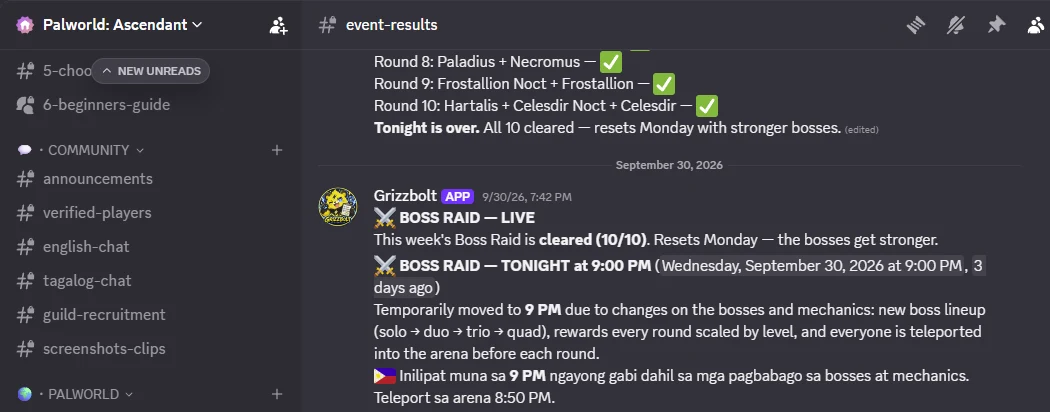
Real screenshots from the server, my custom tools, and Discord workflows. Player identifiers and private connection details have been removed.
Why I built it
The standard server and individual tools provided useful administration and integration features. My requirements called for connecting those capabilities with custom rules, event coordination, and records that an administrator could act on.
| Operational need | Existing setup | My extension |
|---|---|---|
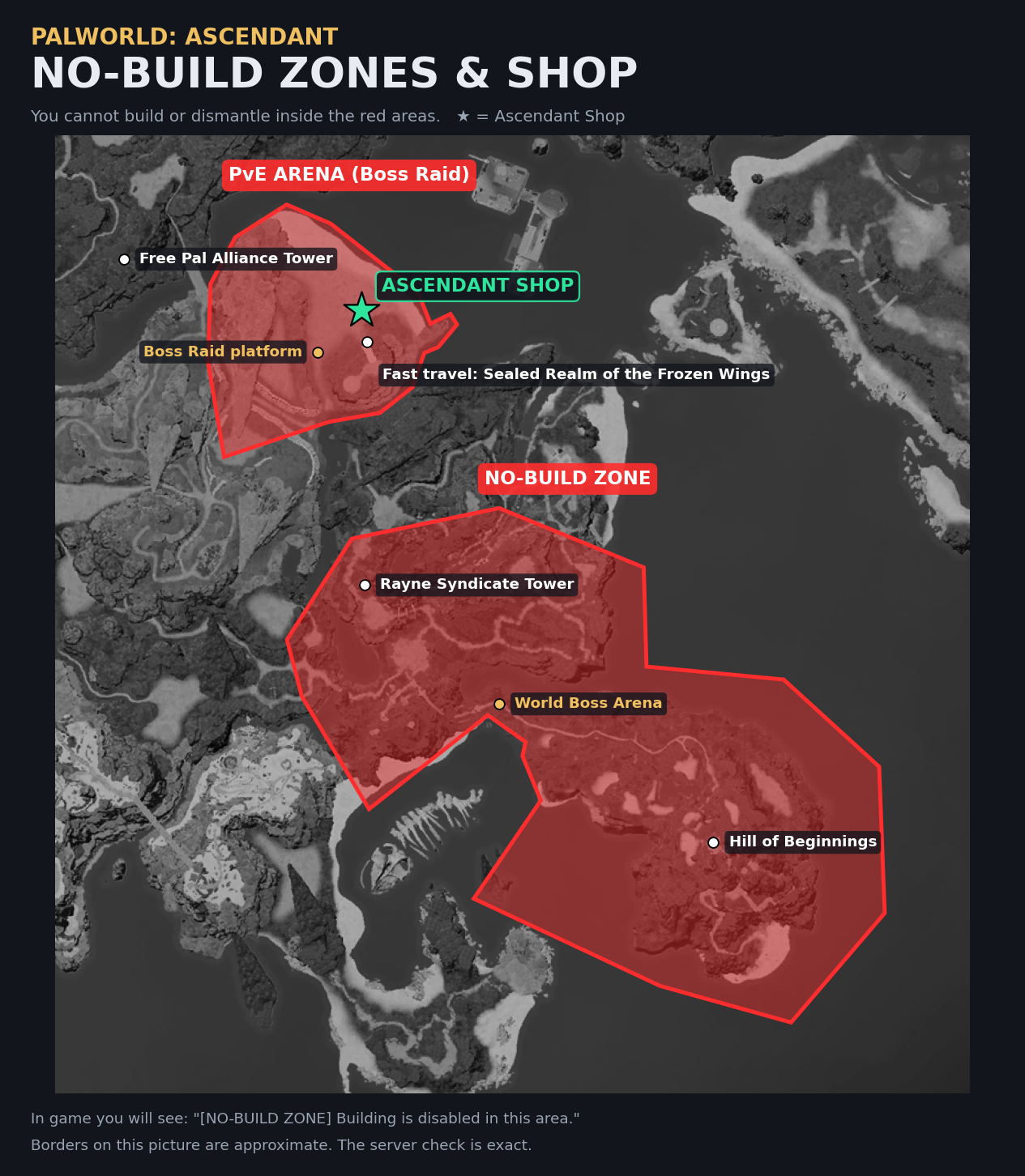
| Custom area rules | Server settings and runtime tooling | Configurable no-build zones, administrator exceptions, restricted-area handling, and structure protection. |
| Central administration | Hosting panel and separate server/API views | PalMap combines map, player, server, and zone workflows in a browser interface. |
| Multi-wave encounters | Game runtime and encounter mechanisms | Controllers coordinate generation, wave state, runtime commands, and result handling. |
| Reward reconciliation | Grant commands and server responses | Per-reward records track expected, confirmed, missing, and uncertain deliveries. |
| Discord operations | Discord applications and RCON/API connectivity | Role-gated commands, bilingual announcement relays, and scheduled reminders. |
| Operational review | Separate logs and service events | Monitoring adapters, structured history, and configured notification destinations. |
Administration capabilities
The administration layer turns information and commands into repeatable tasks. Web administration and Discord provide complementary entry points.
- Inspect players and server state
- Open PalMap → backend requests server and supported PalDefender player views → inspect location, state, and authorized inventory/progression information.
- Configure map zones
- Edit zone geometry and supported rules → save JSON configuration for the deployment workflow → align a visible map boundary with runtime enforcement settings.
- Prepare and manage events
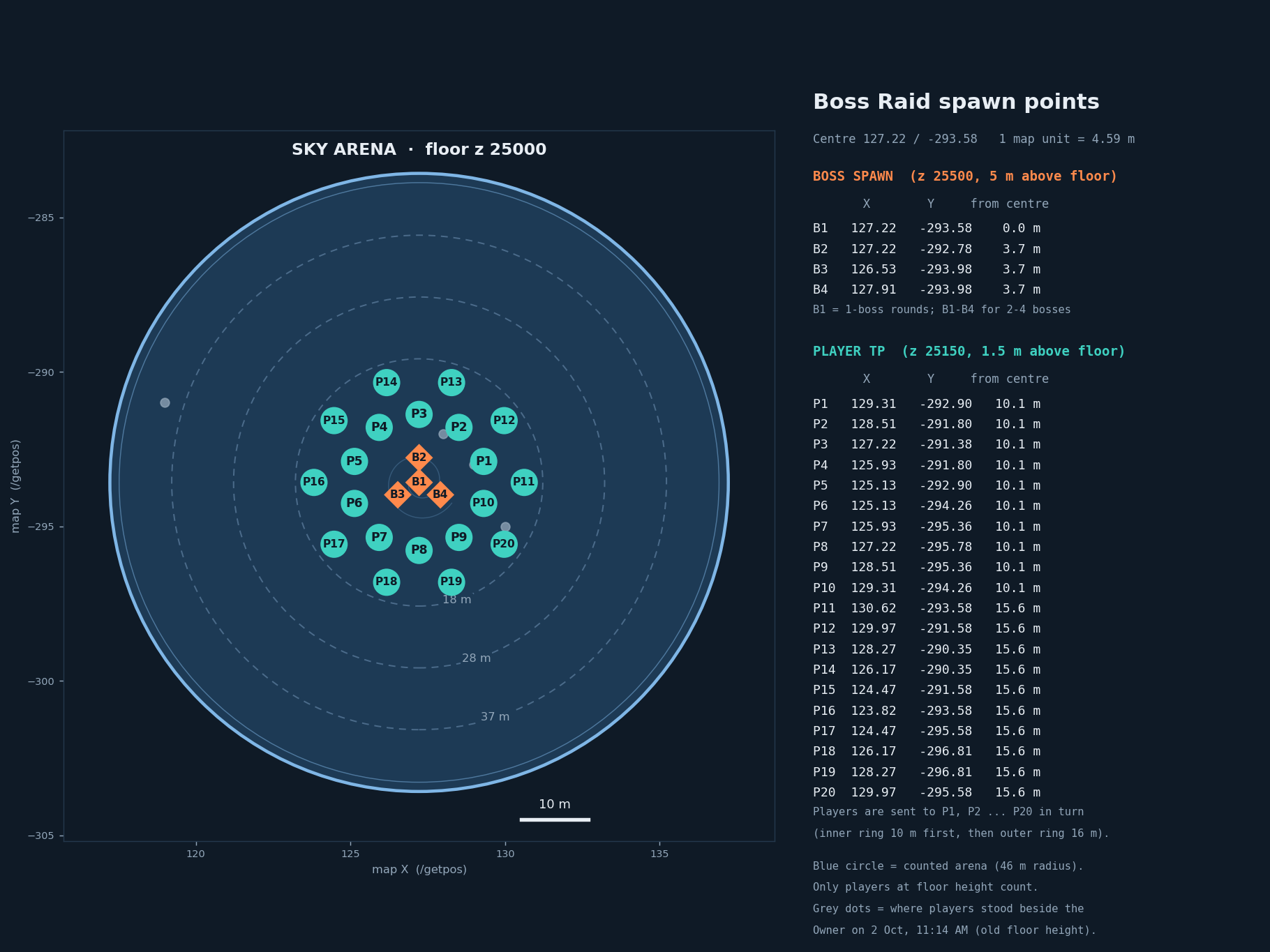
- Preview encounter scaling or start an authorized event → services generate parameters and coordinate lifecycle/waves → manage a repeatable encounter rather than a collection of manual steps.
- Review rewards
- Inspect delivery records → distinguish confirmed amounts, known missing amounts, and UNKNOWN responses → reconcile incomplete delivery without blindly replaying every grant.
- Send announcements
- Publish an approved message or schedule a reminder → relay to configured destinations and supported in-game paths → communicate consistently across channels.
- Review monitoring and audit records
- Inspect service transitions, configured log feeds, and command records → investigate supported evidence → make an informed administrative decision.
Running the community
Keeping the server online was only part of the work. I answered player concerns, handled feedback and community issues, maintained rules and Discord channels, and organized events.
When schedules or mechanics changed, I explained what was changing and what players needed to know. Those conversations helped me decide which tools and workflows to build next.
Discord as an operational interface
Authorized commands
/worldboss dryrun, /worldboss start, and /worldboss status pass an owner-role check before the event controller acts and returns a response. A dry run previews generator output without spawning an encounter. Server-facing actions use the relevant RCON or runtime-file path; local event operations do not all require RCON.
/event create, /event score, and /event close are owner-gated service workflows for registration, scoring, and eligibility. This distinguishes interactive Discord API commands from outbound notifications.
Announcements and reminders
/event announce checks the owner role and publishes the approved schedule through the Discord API. The announcement relay sends messages to configured English and Tagalog destinations, records processing, and retries failed destinations. Guide reminders retain their processed slots. Supported in-game announcement paths use the server integration rather than a Discord webhook.
Operational notifications
A service transition or configured monitored log produces a notification → a bot/API adapter or outbound webhook sends it to the configured channel → an administrator reviews the event. Interactive bots receive commands and return responses; webhooks deliver outbound messages.
System architecture
Runtime components run with the hosted game server. Outside that process, Node.js services coordinate administration and Discord, and Python generates encounters. Administrators use PalMap’s browser interface and backend to inspect state and edit configuration.
Provider-managed hosting · Bropanel for operational controls
Lua Alpha watcherIntegrated systemsPalDefender security/tools
TowerBound progression
- RCON
- Remote server administration commands.
- HTTP/API
- Requests between services; PalMap uses documented REST-style routes for server and player information.
- Webhooks
- Event-triggered notifications sent to configured destinations.
- UE4SS
- A third-party runtime extension framework for interacting with the running game.
Development, release & NAS migration
Development began on my laptop, with code maintained in private GitHub repositories. I validated the components and packaged a stable release baseline. Selected supporting services were migrated to my NAS, while the dedicated game server remained with its hosting provider.
- LaptopDevelopment and integration
- Private GitHubVersion control
- Validation & release freezeStable baseline
- Selected NAS servicesSupporting-service operation
Local tests, dry runs, and configuration checks supported development; server-connected checks covered runtime behavior and integration paths. Release packaging preserved a stable baseline for deployment. The NAS provided a separate home for selected supporting services, with service configuration and persistent state kept distinct from the hosted game runtime.
My engineering contribution
Runtime development
C++ / Lua — configurable no-build rules, administrator exceptions, and restricted-area handling; Lua scripts observe encounters and write runtime status files.
Web and service development
PalMap / Node.js / Python — interactive map and zone administration, backend player views, and encounter controllers that call Python to generate runtime parameters.
Systems integration
RCON / APIs / Discord / webhooks / file exchange — role-gated event commands connect to supporting services; JSON and SFTP carry configuration, observations, and raid HUD commands between services and the hosted runtime.
Delivery and operations
Version control / validation / release packaging — private source history, local and server-connected checks, stable deployment baselines, selected-service NAS migration, and configuration troubleshooting.
Handling uncertain reward responses: per-reward records retain expected and confirmed quantities. Retries request only known missing amounts; an ambiguous response stays UNKNOWN for explicit review instead of automatic replay. This reduces duplicate delivery risk without promising exactly-once delivery.
Deployment requirements
This is a custom integrated deployment, not a ready-to-install public product. Compatibility depends on the selected game, runtime, and integration versions.
Core platform
- A compatible Palworld Dedicated Server and hosting that permits the required runtime extensions and file access.
- Compatible UE4SS plus the custom C++ modules and Lua scripts used by the selected features.
- Node.js and the relevant service dependencies for the web backend and bots.
- Private configuration and secrets, writable persistent records/logs, and backup workflows.
Feature-specific dependencies
- Python for encounter generation and access to the runtime files used by event workflows.
- RCON and HTTP/API connectivity with authorized credentials for the relevant administration features.
- SFTP access for the implemented remote file workflows.
- A Discord application/bot, role permissions, and configured channels; webhooks only for notification paths that use them.
- PalDefender for supported player views/security integrations and TowerBound for the integrated progression/observation workflow.
Infrastructure used in my deployment
The laptop served development and local supporting-service execution. Private GitHub supported source control. The NAS hosted selected supporting services, with runtime dependencies, configuration, persistent storage, and connectivity to the hosted server. Game Host Bros/Bropanel was my hosting arrangement, not the only possible provider.
Technology stack
- Runtime
- C++ · Lua · UE4SS
- Services
- Node.js · Python · PowerShell
- Web
- HTML · CSS · JavaScript · Express · Leaflet
- Integration
- RCON · HTTP/REST · Discord API · webhooks · JSON · SFTP
- Development Tools
- Git · GitHub · Claude · OpenAI Codex
- Development & delivery
- Git · private GitHub · local validation · release freeze · partial NAS migration
- Operations
- Structured logs · configuration · backup workflows · hosting control panel
- Third-party integrations
- Palworld Dedicated Server · PalDefender · TowerBound
Used Claude and OpenAI Codex to assist with implementation, debugging, code review, and documentation. I defined requirements, reviewed changes, validated behavior, and managed deployment.
Outcome & current status
I brought custom runtime rules, web administration, Discord operations, encounter coordination, and reward reconciliation into one connected environment. The work combined software development with deployment, configuration, monitoring, and operational troubleshooting.
Status: Selected supporting services were migrated to the NAS; broader migration remained in progress. Current server availability and enabled features have not been rechecked.
The project demonstrates how I turn operational requirements into targeted software, connect independent systems, and manage the path from development to a maintainable deployment.